
"Sweet flowers"
8000 article(s) found

What is Butterfly Coffee? How to make coffee flower butterfly? Panama Butterfly Coffee
Professional coffee knowledge exchange More coffee bean information Please pay attention to coffee workshop (Weixin Official Accounts cafe_style) Some people call geisha, some people turn it into Guixia, its name contains tenderness and floral fragrance, it is an unforgettable coffee, but also the national bidding and cup test competition winning champion, and get very high evaluation, good geisha coffee, will have strong floral fragrance and

Introduction to the taste characteristics of Yega Shifeiwaka coffee quality and flavor manor
Although the Ethiopian Yirgacheffe coffee is petite, it is gentle and delicate and sweet. As the hometown of coffee, thousands of years of planting history and processing tradition in Ethiopia have created high-quality washed Arabica beans. Light baking has unique sweet aromas of lemon, flowers and honey, soft acidity and citrus flavors, fresh and bright on the palate. No.
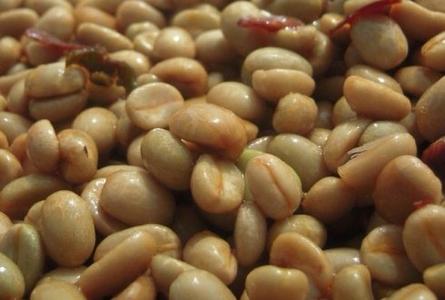
Costa Rican Tarazhu coffee beans with an annual output of only 160000 pounds
With an annual output of only 160000 pounds, Costa Rica Tarazu coffee beans taste: bright and varied smooth acidity, with citrus, berries, raspberries, etc., which softens and brings sweetness after the entrance, such as caramel-like thick Body, sweet hazelnut, sweet spices, fudge, stiff flowers and cool flowers in the nose, melons, almonds, sweet lime, sun-dried water.

Why did Starbucks choose Antigua coffee beans in Guatemala? The most famous Antigua coffee
Professional baristas exchange please pay attention to the coffee workshop (Wechat official account cafe_style) Antigua Flower God Coffee beans Antiqua Flora Origin: Guatemala production area: Antigua Antiqua raw beans in the way: washing fermentation, the latter stage of the first sun and then low temperature drying flavor: medium taste, smooth and supple, floral flavor, slightly sour Antigua is the most famous in Guatemala?
Guatemala Antigua Flower Coffee Guatemala grows coffee
Coffee was really introduced into Guatemala in 1750 by Father Jesuit, where the coffee industry was developed by German colonists at the end of the 19th century. Today, most of the coffee industry's production takes place in the south of the country. Guatemala has seven main coffee producing areas: Antigua (Antigua), Cobain (Coban), Lake Attilan (Atitlan), Vevetnango (Huehuetenango)

Sun Sidamo Flower Honey Coffee beans G1 Gu Gu Guji Shachi Sauese boutique Coffee beans
Sun Sidamo Flower Honey Coffee beans G1 Valley Guji Shajisseese Coffee Bake order Baking country: Sidamo Grade: G1 Origin: guji Guji Baking degree: moderately shallow Baking method: sun varieties: local Native species producing area: Shakicha Flavor: Manyue Berry, Sweet Orange, Plum, Blueberry Shakisso, located in Guji, Austria

Sharing the Best experience in Antigua Flower God Coffee, cigarette Coffee
Professional barista communication please follow the coffee workshop (Wechat official account cafe_style) those Mayans who left an immortal chapter for human civilization in ancient times, although mysteriously disappeared overnight, their history has become the past that we have no chance to experience, but in the present, there is only one thing we can really touch the Mayan world. It's Ann.

A brief introduction to the treatment method of Grinding scale and Baking degree of Fruit-flavored Coffee
These mountain villages are foggy, like spring all year round, with a gentle breeze in summer, cool but not hot, rain but not damp, and no cold damage in winter, giving birth to a unique regional flavor of citrus and flowers. Coffee trees are mostly planted in farmers' own backyards or mixed with other crops in the fields. Yega Xuefei is a by-product area of Sidamo province in Sidamo, Ethiopia, which is located in the northwest of Sidamo.

Raminita Group's Flower God Coffee Antigua's top boutique coffee flavor introduction
Today, most of the coffee industry's production takes place in the south of the country. Guatemala has seven main coffee producing areas: Antigua (Antigua), Cobain (Coban), Lake Attilan (Atitlan), Vevetnango (Huehuetenango), Farahan Plateau (Fraijanes), Oriente (Oliente) and San Marco (San Mareos). Each region has its own climate change.
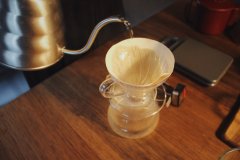
Kupec Cooperative, a boutique coffee bean farm in Rwanda
Rwanda Kupec Cooperative Rwanda Sacof Cooperative production area: Gisenyi varieties: bourbon species baking degree: flavor: almond hard fruit, flower aroma, green prairie flavor, acidity and taste, melons are sweet. Micro-flower fragrance with multi-level aroma of Guogu, sweet melons, good tail rhyme. Altitude: 1500-1900 m treatment method: washing treatment method Kupe

American Coffee producing area Guatemala Antigua Flower God Coffee Culture
Coffee was really introduced into Guatemala in 1750 by Father Jesuit, where the coffee industry was developed by German colonists at the end of the 19th century. Today, most of the coffee industry's production takes place in the south of the country. There are seven main coffee producing areas in Guatemala: Antigua, Coban, Atitlan and Huehuete.

The flavor and taste characteristics of Costa Rican coffee manor with sweet and sour fruit introduction to Huofenghuang Manor
Palate: bright and varied soft fruit acidity, with citrus, berries, raspberries, etc., which softens and brings sweetness on the palate, such as caramel-like Body, with hazelnut sweet, spice sweet, fudge, stiff flowers and cool flowers in the nose, melons, almonds, sweet lime, sun-dried fruit sweet and sour, roasted nuts and chocolate, overall style.

How to drink the long and delicate Campbell Blue Coffee? the characteristics of the flavor and taste of the varieties are treated by grinding and calibration.
Campbell Blue is to squeeze a beautiful cream flower on a double Espresso. At the beginning, I was deceived by this cream flower. I took a sip of Campbell blue and was laughed at for half a year. So he swore to drink Kangbao blue. From adding two packets of sugar, adding one packet of sugar to no sugar, getting used to the mellow bitterness of basal Espresso a little bit, from bitterness to shivering, to drinking out insufficient or excessive extraction, to liking

Coffee bean common sense Guatemala Antigua flower god coffee culture
Coffee was really introduced into Guatemala in 1750 by Father Jesuit, where the coffee industry was developed by German colonists at the end of the 19th century. Today, most of the coffee industry's production takes place in the south of the country. Guatemala has seven main coffee producing areas: Antigua (Antigua), Cobain (Coban), Lake Attilan (Atitlan), Vevetnango (Huehuetenango)

Basic knowledge of Coffee Culture Guatemala Antigua Flower God Coffee Culture
Coffee was really introduced into Guatemala in 1750 by Father Jesuit, where the coffee industry was developed by German colonists at the end of the 19th century. Today, most of the coffee industry's production takes place in the south of the country. Guatemala has seven main coffee producing areas: Antigua (Antigua), Cobain (Coban), Lake Attilan (Atitlan), Vevetnango (Huehuetenango)

SCAA2023 New version of Coffee Flavor Wheel difference between the new version and the old version of boutique coffee flavor wheel
Exchange of professional baristas Please pay attention to the coffee workshop (Wechat official account cafe_style) coffee flavor how to describe, painstakingly sorted out a history of the simplest, most intuitive illustration of coffee flavor wheel ~ the following is pure dry information: fruit group first to everyone's favorite fruit group. The berry and dried fruit flavors are here.

A brief introduction to the planting characteristics of Ye Jia Xuefei Adoto Flavor Manor
These mountain villages are foggy, like spring all year round, with a gentle breeze in summer, cool but not hot, rain but not damp, and no cold damage in winter, giving birth to a unique regional flavor of citrus and flowers. Coffee trees are mostly planted in farmers' backyards or mixed with other crops in the fields. Ethiopia's Yirgacheffe coffee, though petite, is gentle and sweet.

Rwanda boutique coffee introduction to Rwanda boutique coffee unique flavor Lu
Rwanda Kupec Cooperative Rwanda Sacof Cooperative production area: Gisenyi varieties: bourbon species baking degree: flavor: almond hard fruit, flower aroma, green prairie flavor, acidity and taste, melons are sweet. Micro-flower fragrance with multi-level aroma of Guogu, sweet melons, good tail rhyme. Altitude: 1500-1900 m treatment method: washing treatment method Kupe
General knowledge of Coffee Culture Guatemala Antigua Flower God Coffee Culture
Coffee was really introduced into Guatemala in 1750 by Father Jesuit, where the coffee industry was developed by German colonists at the end of the 19th century. Today, most of the coffee industry's production takes place in the south of the country. Guatemala has seven main coffee producing areas: Antigua (Antigua), Cobain (Coban), Lake Attilan (Atitlan), Vevetnango (Huehuetenango)
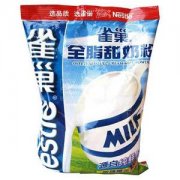
How to use manual milk cup to make milk foam suitable for flower pulling?
In the understanding of brown friends, milk foam can make perfect milk foam only on a professional coffee machine. It is generally believed that this kind of milk foam can be used for coffee flower pulling, but what we bring today is hand-beating milk foam, with the simplest tools and milk powder. make a hand-made foam suitable for flower-pulling at home. First of all, let's talk about the materials needed for hand-beating milk foam: 1, Nestle full-fat sweet milk powder; 2, manual beating